Top 8 Best AI Tools for Business in 2026
By Andrew Pyle
Artificial intelligence is transforming the business landscape faster than ever as we approach 2026. Companies worldwide are increasingly relying on AI to gain a competitive edge, boost efficiency, and drive innovation.
In this rapidly changing environment, selecting the best ai tools for business has become essential for sustainable growth. This article delivers a detailed, unbiased review of the top 8 AI solutions designed to meet diverse business needs.
You will discover each tool’s standout features, pricing, unique benefits, and ideal use cases. Stay ahead of the curve—explore which AI tools can help your business thrive in the future.
The Evolving Role of AI in Business (2026)
The business landscape in 2026 is experiencing a remarkable transformation, driven by the rapid integration of artificial intelligence. Companies across every sector now view the best ai tools for business not just as optional add-ons but as essential drivers of growth and innovation. This shift is redefining how organizations operate, compete, and deliver value in a digital-first world.
YouTube Video
</div>
AI Adoption Trends and Market Growth
AI adoption has surged to unprecedented levels, with businesses of all sizes investing heavily in intelligent solutions. According to the Gartner AI spending forecast 2025are no longer experimental; they are mission-critical assets embedded in core operations.
Industries such as finance, healthcare, retail, and manufacturing are leading the way. They leverage AI to automate processes, analyze massive datasets, and personalize customer experiences. This widespread adoption signals a new era where intelligent automation and predictive insights become standard practice.
Key Business Challenges Solved by AI Tools
The best ai tools for business address a spectrum of pressing challenges. Automation of repetitive tasks liberates human talent for strategic work, while advanced analytics empower leaders to make smarter, faster decisions. AI-powered personalization enhances customer satisfaction by delivering tailored interactions and support.
Across departments like HR, marketing, sales, and IT, these tools streamline workflows and reduce operational friction. For example, marketing teams use AI to segment audiences, while HR leverages intelligent platforms for recruitment and onboarding. The result is a more agile, efficient, and responsive organization.
The Importance of Choosing the Right AI Tool
Selecting the best ai tools for business requires careful evaluation. With an expanding marketplace of solutions, there is no universal fit. Poor choices can result in wasted investment, integration challenges, and disappointing returns. Security and usability are also critical concerns, as is the level of vendor support available.
Decision-makers should assess each tool’s scalability, compatibility with existing systems, and compliance with data privacy standards. Usability is essential for team adoption, while robust support ensures smooth deployment and ongoing optimization. A strategic approach to selection safeguards both resources and outcomes.
Future Outlook: What to Expect from AI Tools in 2026
Looking ahead, the best ai tools for business will become even more sophisticated. Multi-modal AI, capable of understanding text, images, audio, and code, will enable deeper workflow integration. Explainable AI will help organizations trust and interpret machine-driven decisions, which is increasingly important as regulations emphasize ethical use and data privacy.
Customizable, industry-specific solutions will rise, catering to unique business needs. AI will evolve from a supporting role to an active partner in strategy and innovation, empowering organizations to adapt in real time and drive sustained growth.
Top 8 Best AI Tools for Business in 2026
Staying competitive in 2026 means leveraging the best ai tools for business to drive innovation, efficiency, and growth. As organizations embrace digital transformation, selecting the right AI solutions can make the difference between leading and lagging in your industry.
Below, we provide an in-depth, unbiased review of the top 8 best ai tools for business in 2026. For each, you will find a summary of pricing, features, benefits, and use cases to help you choose the right fit for your needs.
GitHub Copilot
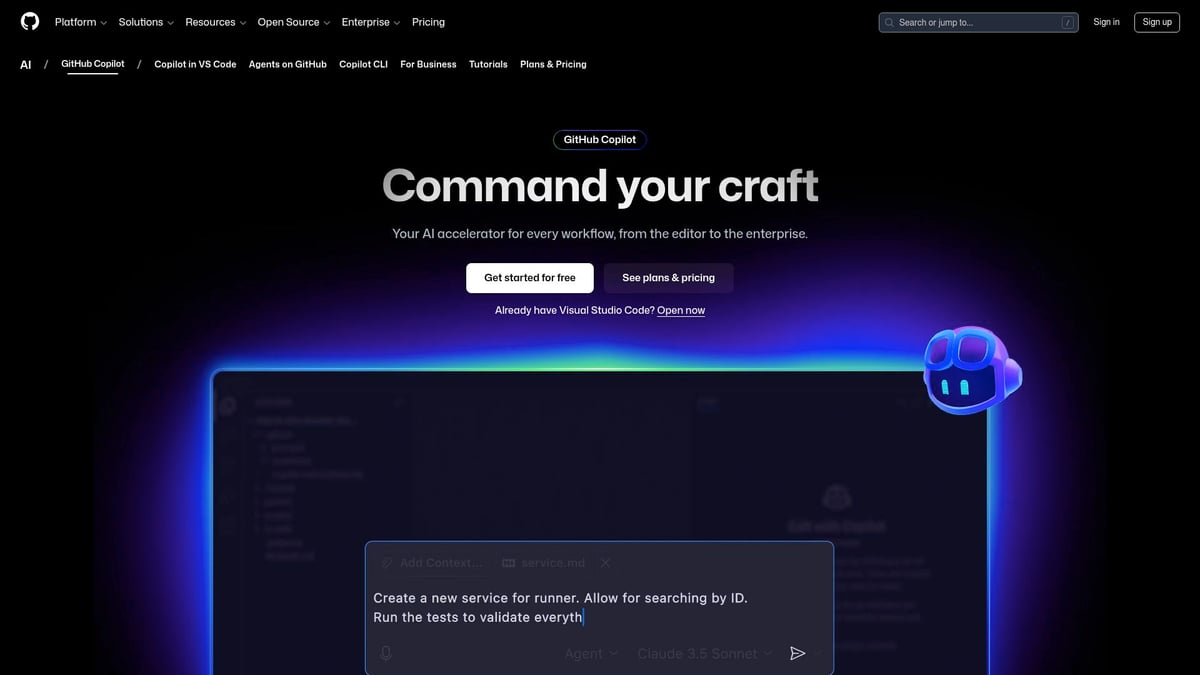
GitHub Copilot stands as one of the best ai tools for business for software development teams in 2026. This AI-powered coding assistant offers a subscription model starting at $10 per month, with enterprise options for larger organizations.
Core Features:
- Real-time code suggestions and contextual completion.
- Integrated AI chat for code explanations.
- Automated bug detection and code refactoring.
- Support for multiple programming languages.
Key Benefits: By embedding Copilot into your workflow, businesses accelerate development, reduce coding errors, and support rapid prototyping. The tool learns from project context, boosting productivity for developers of all levels.
Target Audience: Ideal for developers, IT teams, software companies, and tech startups looking to enhance code quality and delivery speed.
Pros:
- Seamless integration with popular IDEs.
- Significant productivity boost.
- Adapts to project context for relevant suggestions.
Cons:
- May need tuning for specialized codebases.
- Privacy concerns over proprietary code handling.
Example Use Case: A mid-sized SaaS company reduced development cycles by 30% after integrating Copilot, demonstrating why it ranks among the best ai tools for business.
ChatGPT Plus
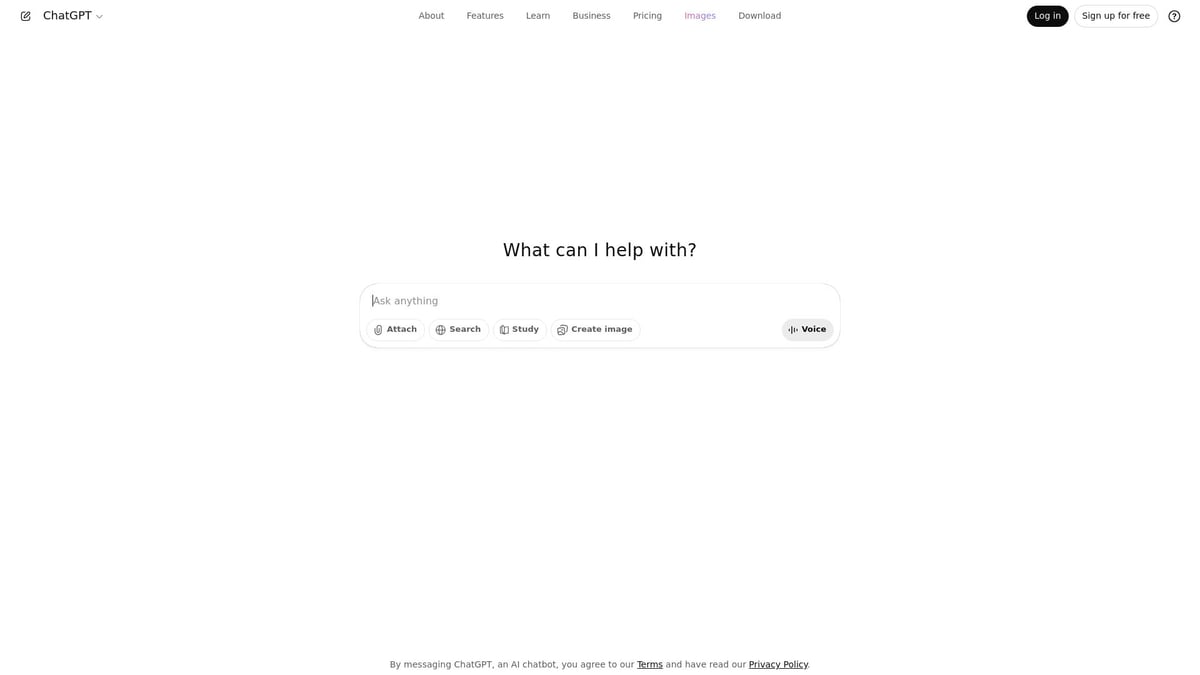
ChatGPT Plus is a leader among the best ai tools for business, providing advanced conversational AI capabilities at $20 per month, with options for enterprise-scale deployments.
Core Features:
- Powered by the GPT-5.1 model.
- Offers "Instant" and "Thinking" response modes.
- Personality presets and advanced reasoning.
- API access for integration.
Key Benefits: This tool generates high-quality content, automates communication, and streamlines research and brainstorming. Teams use it for drafting campaigns, summarizing meetings, and enhancing customer engagement.
Target Audience: Business professionals, marketers, customer service teams, and executives benefit from its versatility.
Pros:
- Fast, accurate, and highly customizable.
- Integrates well with business workflows.
Cons:
- Premium features require subscription.
- May produce generic output if not prompted effectively.
Example Use Case: Marketing departments use ChatGPT Plus to draft content and automate responses, solidifying its place among the best ai tools for business.
Midjourney
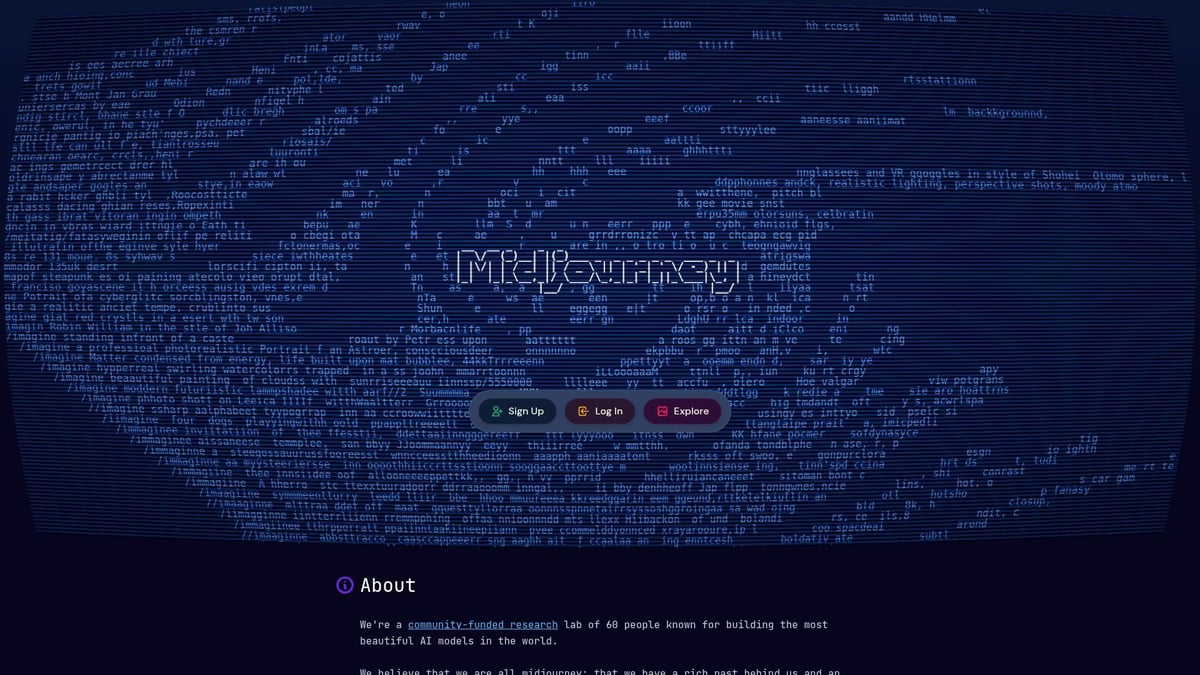
Midjourney is quickly becoming one of the best ai tools for business in creative and marketing sectors. With subscriptions starting at $10 per month, it enables high-quality, AI-driven image generation.
Core Features:
- AI-powered visuals from text prompts.
- Custom aspect ratios and style references.
- Advanced text rendering for branding.
Key Benefits: Businesses leverage Midjourney for rapid prototyping of campaign visuals, reducing design costs and supporting brand differentiation.
Target Audience: Creative agencies, marketers, content creators, and branding professionals.
Pros:
- Produces unique, high-quality images.
- Supports team collaboration with flexible output.
Cons:
- Learning curve for prompt engineering.
- Limited editing after image generation.
Example Use Case: Agencies save thousands on stock imagery by creating bespoke visuals, proving Midjourney’s value as one of the best ai tools for business.
Perplexity AI
Perplexity AI is a standout among the best ai tools for business research and knowledge management. It offers a free tier and Pro plans starting at $20 per month.
Core Features:
- Conversational search with multi-source citations.
- Real-time knowledge updates.
- API integration for workflow enhancement.
Key Benefits: Perplexity AI accelerates research, delivers concise answers, and improves knowledge management for organizations needing reliable, fast information.
Target Audience: Researchers, analysts, consultants, and business strategists.
Pros:
- Transparent sourcing for trustworthy insights.
- Handles complex queries with ease.
Cons:
- Coverage may be limited for niche topics.
- Reliant on available sources.
Example Use Case: Consulting firms use Perplexity AI to gather market intelligence in minutes, reinforcing its position in the best ai tools for business.
Adobe Firefly
Adobe Firefly is redefining creative workflows as one of the best ai tools for business in design. Included with Adobe Creative Cloud or as a standalone, it brings generative AI to mainstream design teams.
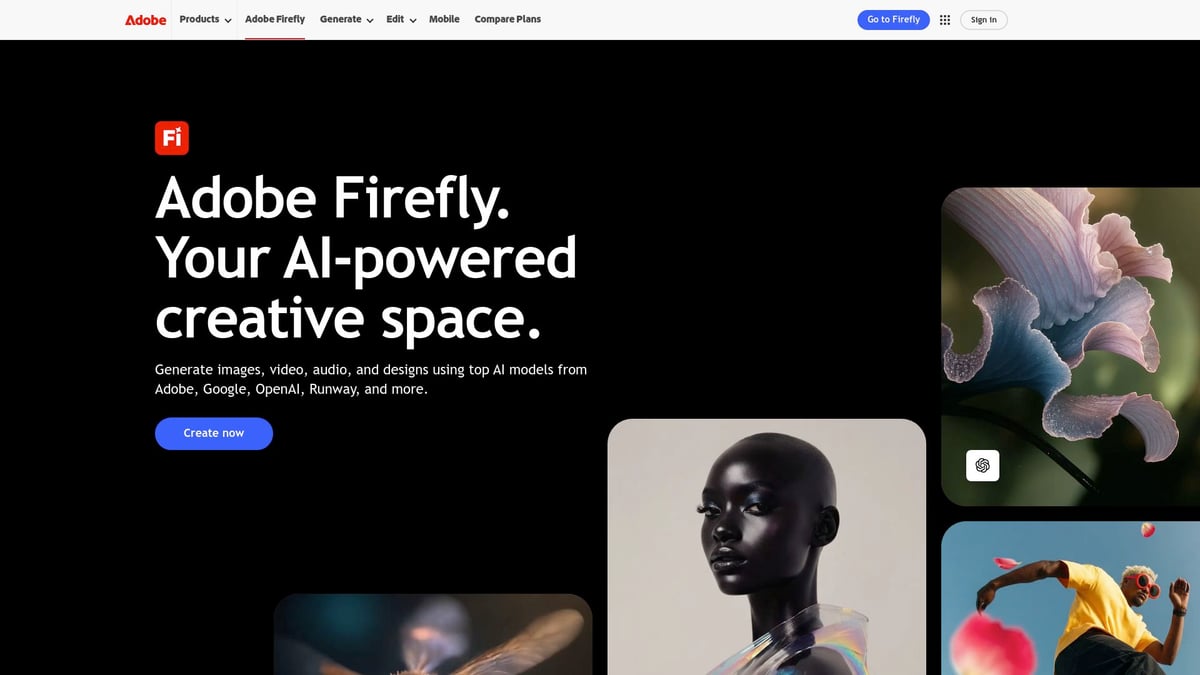
Core Features:
- Text-to-image generation and editing tools.
- Trained on Adobe Stock for commercial safety.
- Seamless integration with Photoshop and Illustrator.
Key Benefits: Firefly streamlines creative production, offering copyright-safe outputs that speed up content delivery for marketing and e-commerce teams.
Target Audience: Designers, marketers, creative agencies, and content teams.
Pros:
- Commercially safe assets.
- Deep Adobe suite integration.
- Easy-to-use interface.
Cons:
- Limited to Adobe’s ecosystem.
- May require Creative Cloud subscription.
Example Use Case: E-commerce brands generate product visuals rapidly, making Adobe Firefly a top choice among the best ai tools for business.
Altered Studio
Altered Studio’s advanced voice technology makes it one of the best ai tools for business focused on scalable audio content. It offers a free trial and paid plans from $30 per month.
Core Features:
- AI voice transformation and cloning.
- Text-to-speech with realistic AI voices.
- Expansive voice library.
Key Benefits: Altered Studio enables personalized audio branding, scalable voice production, and cost-effective e-learning narration.
Target Audience: Podcasters, advertisers, media companies, and training teams.
Pros:
- High-quality, convincing voice output.
- Flexible voice options.
- User-friendly interface.
Cons:
- Some voices may sound robotic.
- Licensing considerations for commercial use.
Example Use Case: Training departments create multilingual modules efficiently, securing Altered Studio’s place among the best ai tools for business.
Fliki
Fliki stands out as one of the best ai tools for business in video and voice content creation. With plans starting at $21 per month, it offers a robust solution for rapid multimedia production.
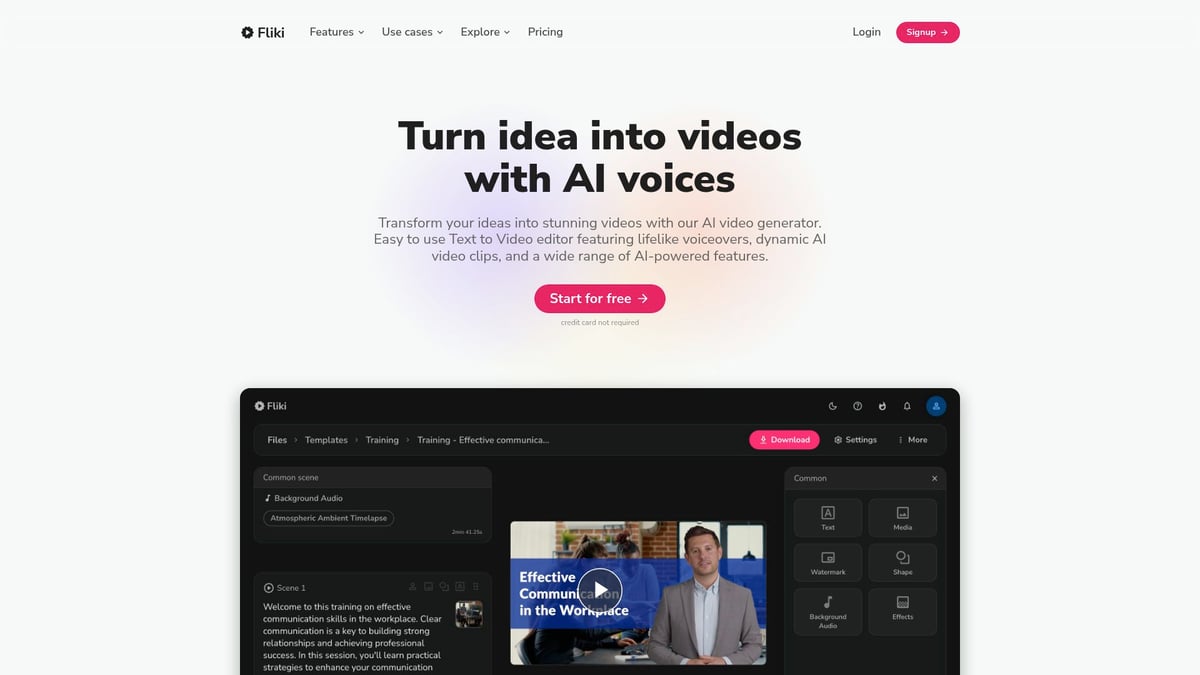
Core Features:
- Text-to-video and AI voice creation.
- Stock media library and language support.
- Simple, no-editing-needed workflow.
Key Benefits: Fliki enables fast, customizable video production for marketing, HR, and training, regardless of technical skill.
Target Audience: Content marketers, educators, HR professionals, and social media managers.
Pros:
- Quick turnaround for video content.
- Easy customization.
- No editing skills required.
Cons:
- Limited creative control over output.
- May lack advanced editing features.
Example Use Case: HR teams reduce onboarding video production time by 80%, cementing Fliki’s reputation among the best ai tools for business.
Notion AI
Notion AI is a productivity powerhouse, ranking among the best ai tools for business knowledge management. It is available as an add-on for $10 per user per month.
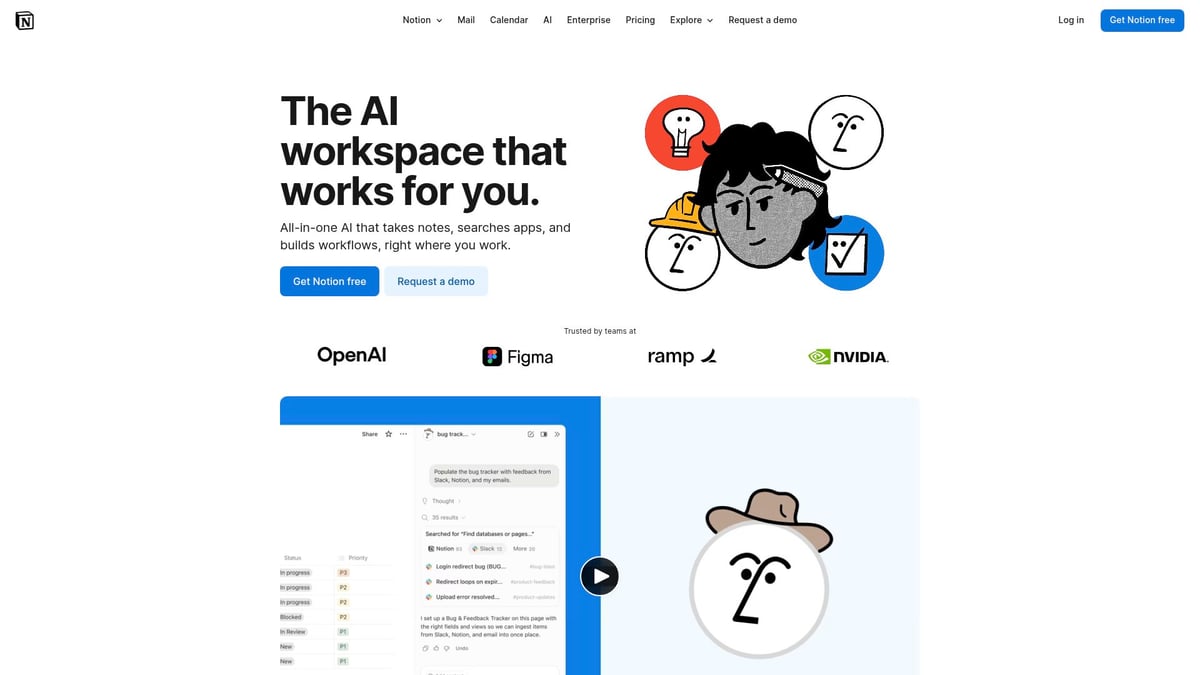
Core Features:
- AI-powered note-taking and meeting summarization.
- Task automation and knowledge organization.
- Deep integration within Notion workspace.
Key Benefits: Notion AI automates documentation, streamlines admin tasks, and enhances team collaboration for remote and distributed teams.
Target Audience: Project managers, operations departments, remote teams, and knowledge workers.
Pros:
- Deeply integrated with Notion.
- Boosts productivity and collaboration.
- Saves time on admin work.
Cons:
- Only available within the Notion ecosystem.
- May require additional training for full adoption.
Example Use Case: Distributed teams use Notion AI to auto-summarize meetings and generate briefs, making it one of the best ai tools for business.
Quick Comparison Table
Below is a side-by-side comparison of the best ai tools for business in 2026:
| Tool | Pricing | Core Focus | Best For | Unique Benefit |
|---|---|---|---|---|
| GitHub Copilot | $10+/month | Code Generation | Developers, IT | Accelerates coding, reduces errors |
| ChatGPT Plus | $20/month | Conversational AI | Marketers, Execs, Support | Content, automation, research |
| Midjourney | $10+/month | Image Generation | Creatives, Marketing | Unique visuals, branding |
| Perplexity AI | Free/$20+/month | Research & Insights | Analysts, Consultants | Fast, cited information |
| Adobe Firefly | Creative Cloud | Generative Design | Designers, Agencies | Copyright-safe, seamless workflow |
| Altered Studio | $30+/month | Voice Transformation | Media, Training | Realistic voice, scalable audio |
| Fliki | $21+/month | Video/Voice Creation | HR, Marketers, Educators | Rapid, easy video production |
| Notion AI | $10/user/month | Productivity/Knowledge | Project Managers, Teams | Automated notes, task management |
For a more comprehensive list of the best ai tools for business tailored to your industry, explore the AI tools directory for business
Choosing the best ai tools for business requires aligning technology with your unique goals and workflows. With these top solutions, your organization can stay ahead of the curve in 2026.
How to Evaluate and Implement AI Tools in Your Business
Selecting and deploying the best ai tools for business is a strategic process that goes beyond just picking popular software. To truly realize value, organizations need a structured approach that aligns technology with business goals and ensures sustainable adoption.
Define Business Objectives and Use Cases
Start by clarifying what you want to achieve with the best ai tools for business. Are you aiming to automate repetitive tasks, improve analytics, or enhance customer service? Listing clear objectives helps you map tool features to your unique needs.
- Identify pain points in workflows
- Prioritize use cases with the highest impact
- Align AI tool capabilities with business goals
A structured evaluation ensures you invest in solutions that directly contribute to your company’s success.
Assess Integration and Scalability
It is vital to ensure that the best ai tools for business can integrate seamlessly with your existing systems. Check for API compatibility, supported data formats, and workflow alignment.
- Review current tech stack for compatibility
- Evaluate vendor support for integrations
- Plan for future scalability as your business grows
Scalability matters, especially as your organization evolves and expands its AI footprint.
Consider Data Security and Compliance
Protecting sensitive information is non-negotiable when using the best ai tools for business. Assess each vendor’s security measures, compliance certifications, and data handling policies.
- Review GDPR, HIPAA, SOC 2 compliance status
- Investigate encryption standards and access controls
- Understand how data is stored and processed
For more insight on potential risks, explore recent research on AI's impact on cloud security
Analyze Cost vs. ROI
Before committing, analyze the total cost of ownership for each solution. This includes subscription fees, setup costs, and required training.
| Evaluation Step | Key Considerations |
|---|---|
| Subscription Fees | Monthly and annual pricing |
| Implementation | Setup time, integration requirements |
| Training | Onboarding resources, user support |
| ROI | Productivity gains, cost savings |
Weigh these factors against the expected return to ensure a sound investment.
Involve Stakeholders and Provide Training
Engaging key stakeholders early increases buy-in and adoption rates. Involve end users in the selection process and gather feedback on usability.
- Identify power users and champions
- Offer comprehensive onboarding sessions
- Provide ongoing training and support materials
This approach minimizes resistance and accelerates the value realization from your chosen tools.
Monitor Performance and Iterate
Once you implement the best ai tools for business, set clear KPIs to track impact. Monitor efficiency, accuracy, and user satisfaction regularly.
- Collect feedback from teams
- Adjust workflows and retrain as needed
- Benchmark results against original objectives
Continuous monitoring and iteration help you maximize the long-term benefits of AI integration.
AI Tools: Maximizing Value Across Business Functions
Unlocking the full potential of the best ai tools for business requires understanding their impact across every department. Each function benefits uniquely, with AI transforming workflows, enhancing creativity, and driving measurable outcomes.
Marketing and Creative Teams
Marketing and creative professionals gain a significant edge with the best ai tools for business. AI supports campaign ideation, content creation, and audience targeting, making processes faster and more data-driven.
Teams now use tools like Midjourney and Adobe Firefly to generate unique visuals and brand assets. These innovations enable rapid prototyping, reduce design costs, and allow for hyper-personalized content. For a deeper dive into how AI is shaping this landscape, check out this AI-powered marketing insights
With AI, marketers can analyze trends, test creative concepts, and reach audiences with precision, all while saving time and budget.
Operations and HR
Operations and HR departments increasingly rely on the best ai tools for business to streamline documentation, onboarding, and employee training. Automation of routine tasks frees up staff to focus on strategic priorities.
For example, Notion AI organizes internal knowledge and automates meeting notes, while Fliki produces onboarding videos at scale. These tools reduce manual workload and ensure consistent communication across global teams.
By leveraging AI, HR professionals can improve employee experience, speed up hiring, and maintain compliance more efficiently.
IT and Development
IT and development teams see remarkable benefits from the best ai tools for business. Tools like GitHub Copilot accelerate coding, automate testing, and elevate code quality.
Developers use AI to catch bugs earlier, suggest optimizations, and learn from project context. This not only shortens development cycles but also empowers teams to innovate faster.
With AI, IT departments can deploy new features, enhance security, and support business growth without increasing headcount.
Sales and Customer Support
Sales and support teams turn to the best ai tools for business to deliver faster, more personalized service. Conversational AI, such as ChatGPT Plus and Perplexity AI, enables instant responses to customer inquiries.
AI-driven chatbots nurture leads, automate FAQs, and provide insights on customer behavior. These efficiencies translate to higher satisfaction scores and improved retention.
The ability to scale support without sacrificing quality helps businesses stay competitive in dynamic markets.
Leadership and Strategy
Executives and strategists leverage the best ai tools for business for market analysis, competitive intelligence, and scenario planning. AI platforms synthesize vast data sets, highlight trends, and suggest actionable strategies.
With tools like Perplexity AI, leaders make informed decisions quickly, adapting to market changes in real time. This agility is critical for innovation and long-term success.
AI becomes not just a tool but a trusted advisor in shaping business direction.
Overcoming Adoption Barriers
While the best ai tools for business offer immense value, adoption can face hurdles. Common challenges include resistance to change, skill gaps, and integration with legacy systems.
Overcoming these barriers requires strong change management, ongoing training, and clear communication of AI’s benefits. Businesses that invest in upskilling and foster a culture of innovation are best positioned to thrive.
By addressing obstacles head-on, organizations can harness AI’s full power across every function.
The Future of AI Tools for Business: Key Trends to Watch
The future of the best ai tools for business is rapidly unfolding, with several transformative trends set to reshape how organizations operate and compete. As we look toward 2026, these trends will influence which tools lead the market and how businesses can extract the most value from AI.
Multi-Modal and Collaborative AI
In 2026, multi-modal AI will combine text, images, audio, and even code, creating seamless experiences for teams. Collaboration features are becoming standard, letting colleagues brainstorm, create, and iterate together with AI assistance.
This evolution means the best ai tools for business will not just automate tasks but also foster real-time teamwork. Companies adopting these solutions can expect more integrated workflows and faster project cycles.
Explainable and Ethical AI
Transparency is now a critical requirement for businesses using AI. Explainable AI allows organizations to understand decisions made by their systems, building trust with stakeholders.
With regulatory bodies increasing their focus on responsible AI, businesses must ensure their tools comply with evolving standards. Ethical considerations are central, prompting leaders to choose solutions that prioritize fairness and accountability.
Customization and Industry-Specific Solutions
AI tools are no longer generic; they are now tailored for specific industries such as healthcare, finance, and logistics. Customizable models let businesses adapt AI to their unique needs, improving relevance and ROI.
To explore how generative AI is driving these changes, see Generative AI use cases in businessecialized domains.
AI as a Strategic Partner
AI is transitioning from a simple tool to a strategic partner. By analyzing data in real time and offering scenario planning, AI supports leaders in making informed decisions quickly.
Businesses leveraging these capabilities can adapt to market changes faster and uncover new opportunities, positioning AI as a core driver of innovation.
Staying Ahead: Continuous Learning and Adaptation
To maximize the benefits of the best ai tools for business, organizations must invest in upskilling teams and fostering a culture of ongoing learning. As AI evolves, staying informed and agile will be key.
Proactive exploration and adaptation ensure that businesses remain competitive, ready to capitalize on the latest advancements in AI technology.<br><br>As we’ve explored, the right AI tools can transform how you work—streamlining processes, unlocking deeper insights, and driving true business value. If you’re ready to see which solutions fit your goals and want practical, hands-on guidance, you don’t have to navigate this evolving landscape alone. You can access clear explanations, actionable examples, and expert insights to help you make confident decisions for your business. Take the next step and Explore AI Tools, deepen your understanding, and confidently adopt the innovations shaping business in 2026.